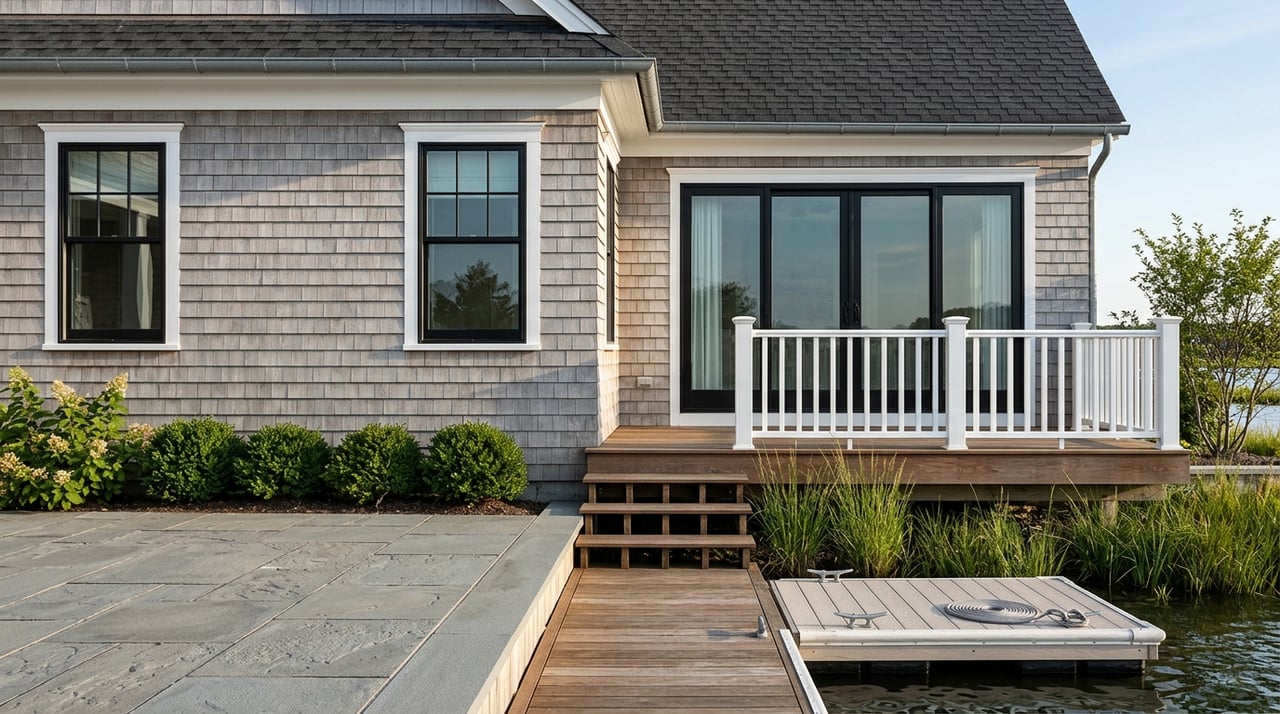
If you are shopping for waterfront in Rowayton, one word can change everything: where. Two homes may both say “water view,” but one may overlook a quiet cove, another may face the harbor, and another may open out to Long Island Sound. Understanding those differences can help you buy with more confidence, ask better questions, and choose a property that fits how you actually want to live. Let’s dive in.
Why Rowayton waterfront feels different
Rowayton is part of Norwalk, but it has a distinct waterfront identity shaped by its shoreline, coves, harbor areas, and village setting. Norwalk’s official planning materials and the Rowayton Avenue Village District guidelines reflect that local character by aiming to preserve waterfront-adjacent areas and protect public water views and view corridors.
That matters because Rowayton is not one single waterfront experience. A home on the river, in a cove, near Five Mile River Harbor, or facing the open Sound can offer a very different daily rhythm, view, and set of practical considerations. According to Norwalk’s coastal planning materials, the waterfront system includes the Norwalk River, upper harbor areas, Wilson Cove, Farm Creek, Bayley Beach, and open views toward Long Island Sound and the Norwalk Islands.
Compare Rowayton view types
Before you focus on finishes, square footage, or even price, it helps to understand the property’s exact water orientation. In Rowayton, that one detail often shapes lifestyle more than buyers expect.
River and upper-harbor views
Homes facing the river or upper harbor often feel closely connected to boat traffic, marinas, and civic waterfront activity. Norwalk’s coastal aerials show the Norwalk River flowing south into the harbor and Sound, with public waterfront infrastructure and the federal navigation channel as part of that larger system.
If you like movement on the water and a setting that feels tied to the working harbor environment, this type of view may appeal to you. It may feel less about a broad horizon and more about the day-to-day life of the waterfront.
Harbor and cove views
Rowayton’s coastal areas include Five Mile River Harbor, Wilson Cove, Bell Island, and Farm Creek. These locations often read as more sheltered and more boat-centered than open-sound sites, based on the geography identified in the city’s coastal materials.
For many buyers, cove and harbor settings offer a sense of enclosure and intimacy. You may find that the view feels calmer and more protected, especially compared with properties that face more open water.
Open-sound views
Some Rowayton properties look south over Wilson Cove and Wilson Point toward Norwalk’s Outer Harbor, Long Island Sound, and the Norwalk Islands. These settings often deliver the widest horizon and strongest sense of openness.
The tradeoff, as suggested by the geography, is that open exposure may come with less shelter from wind, wake, and weather. If your priority is a sweeping coastal backdrop, this may be exactly what you want. If you prefer a more protected waterside setting, it is worth weighing that difference in person.
Look beyond the view
A beautiful view is only part of the buying decision. In Rowayton, water access, shoreline rights, and local rules can matter just as much as the scenery.
Docks and moorings
If a property is marketed with water access, ask what that actually means. Does the home have a deeded dock, a mooring right, or no direct access at all?
Connecticut DEEP notes that non-commercial moorings are usually authorized under the Minor Coastal Structures General Permit, and residential docks in tidal waters are regulated by DEEP and must be consistent with any approved harbor management plan. Norwalk also directs boaters and buyers to its visitor docks and marina resources, which include information on mooring applications, the harbor master, and the city marina’s empty-slip lottery.
Shoreline ownership and public trust
This is a key point for waterfront buyers. According to Connecticut DEEP’s coastal access guidance, lands and waters waterward of mean high water are held in public trust and may be used by the public for activities such as boating, walking, and fishing.
In plain terms, you should not assume that a water view automatically gives you private control over the shoreline in front of the home. That is an important part of due diligence, especially if private waterfront use is high on your list.
Consider daily access and village life
Part of Rowayton’s appeal is that waterfront living here is not only about the house. It is also about how easily you can connect to beaches, parks, the train, and village amenities that support day-to-day life.
Bayley Beach and local amenities
Bayley Beach is owned and maintained by the Rowayton 6th Taxing District. During the season, residents and residential property owners can use parking stickers or walk-in passes, lifeguard services are provided in season, and non-resident access is fee-based, according to the Bayley Beach information page.
The Rowayton 6th Taxing District also manages amenities that many buyers care about, including Pinkney Park, the Rowayton Community Center, the Rowayton Arts Center, Rowayton Train Station parking, and the Ambler Municipal Parking Lot. When you tour homes, proximity to those places can meaningfully affect daily convenience and long-term enjoyment.
Train access for commuters
For buyers who want a coastal address without giving up rail access, the train station is a real factor. The Rowayton train-station lot has 330 spaces, monthly permits are wait-listed, daily parking is available for $7, and weekend parking is free, according to the Rowayton train station page.
That means a home’s relationship to the station is not just a map detail. It can shape your morning routine, your parking options, and the overall practicality of living in Rowayton full-time.
Understand flood zones early
Waterfront buying should always include a careful flood-risk review. Before you make an offer, verify the FEMA flood zone by address and ask the seller whether an elevation certificate exists, whether flood insurance has been carried, and whether there is any flood-related claim history.
You can confirm location-specific flood information through the FEMA Flood Map Service Center. FEMA also notes that homeowners insurance usually does not cover flood damage, and Connecticut DEEP says flood insurance is mandatory for mortgaged structures in a Special Flood Hazard Area.
Check future renovation limits
Many waterfront buyers are not just buying for today. You may also be thinking about expanding, rebuilding, reworking outdoor space, or improving water access later on. In Rowayton, those plans should be part of your evaluation from the start.
Norwalk states that shoreline properties can trigger structural and documentation requirements, and the city notes that no work is allowed within 25 feet of the mean high-water or tide line. The city also notes that some coastal work requires review under its coastal area management rules and flood-hazard guidance.
On the village side, the Rowayton Avenue Village District guidelines are designed to protect public water views, maintain view corridors, and preserve waterfront character. If you may remodel later, it is smart to ask not only “What is allowed now?” but also “What review process would future changes require?”
Use this touring checklist
When you walk a Rowayton waterfront property, bring a sharper lens than “nice view” or “close to water.” These questions can help you compare homes more clearly:
- What is the exact water orientation: river, harbor, cove, or open sound?
- Does the property include a deeded dock, a mooring right, or no direct water access?
- What permits or approvals support any dock or mooring setup?
- What FEMA flood zone applies to the property?
- Is there an elevation certificate or flood-insurance history?
- Is the property inside the Coastal Area Management Zone or the Rowayton Avenue Village District?
- Would future renovations, shoreline work, or additions require coastal review?
- How close is the home to Bayley Beach, Pinkney Park, the train station, and other daily-use amenities?
The bottom line on buying waterfront in Rowayton
In Rowayton, waterfront value is about much more than price per square foot or a listing’s water-view label. The real drivers are the type of water you face, the kind of access you have, your flood-risk profile, and how the property fits within local coastal and village-district rules.
That is why local context matters so much here. If you want help evaluating a waterfront opportunity in Rowayton, Coastal Collective Team can help you look past the photos and understand how views, coves, access, and long-term use come together in the real buying decision.
FAQs
What should you ask when buying a waterfront home in Rowayton?
- Ask about the exact water orientation, any dock or mooring rights, FEMA flood zone status, flood-insurance history, and whether the property falls under coastal or village-district review rules.
What is the difference between cove, harbor, and open-sound views in Rowayton?
- Cove and harbor views often feel more sheltered and boat-centered, while open-sound views usually offer broader horizons and a stronger sense of openness with more exposure to wind and weather.
Does a waterfront home in Rowayton always include private shoreline rights?
- No. Connecticut DEEP states that lands and waters waterward of mean high water are held in public trust, so buyers should verify shoreline rights instead of assuming private control.
Why does flood-zone research matter for Rowayton waterfront buyers?
- Flood-zone research helps you understand insurance needs, mortgage requirements, and future risk, especially because standard homeowners insurance usually does not cover flood damage.
How important is Bayley Beach and train access when choosing a Rowayton home?
- For many buyers, these are major lifestyle factors because they affect seasonal beach use, commuter convenience, and how practical the location feels day to day.