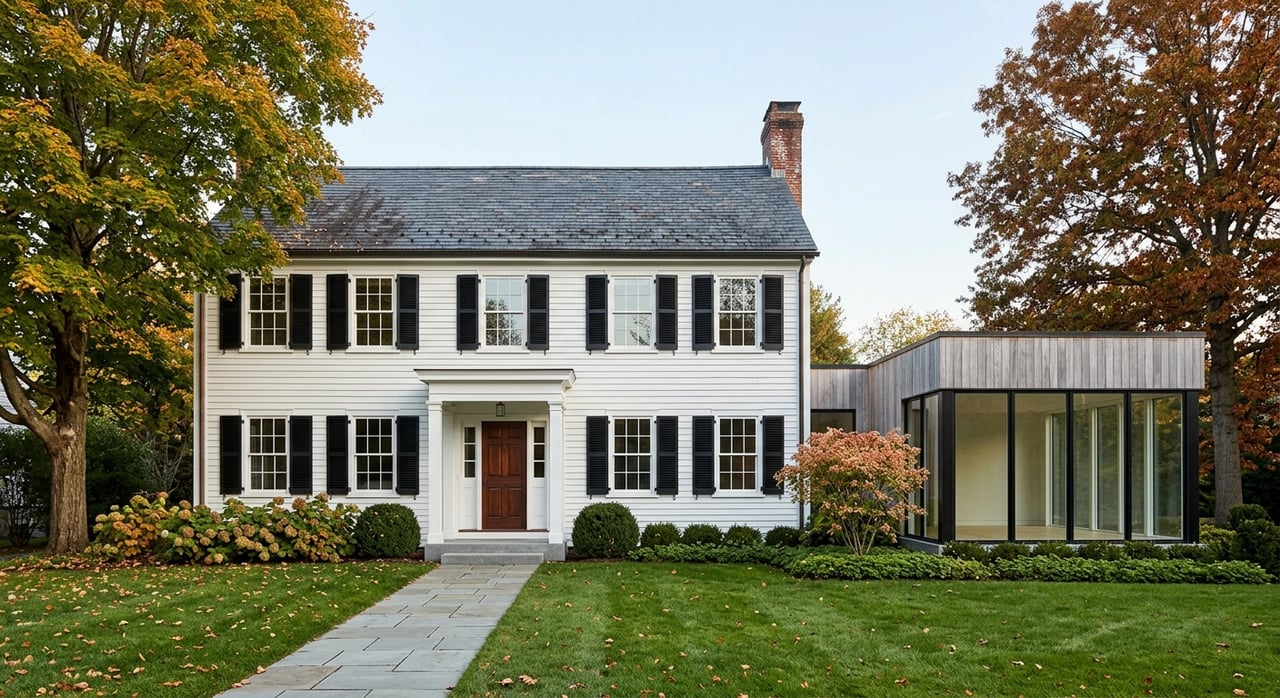
Choosing between a historic home and a modern home in New Canaan is not just about looks. It is about how you want to live, what kind of upkeep feels manageable, and how much flexibility you want if you plan to make changes over time. If you are weighing charm against clean lines, or craftsmanship against open space, this guide will help you compare both styles with more confidence. Let’s dive in.
Why New Canaan Offers Both
New Canaan stands out because it offers two very different architectural experiences in one town. On one hand, it has an older civic and residential core shaped by centuries of building history. On the other, it is nationally recognized for its mid-century modern legacy.
According to the Church Hill Historic District nomination, the Church Hill Local Historic District covers a 37-acre area centered on God’s Acre and includes 100 resources with a period of significance from 1742 to 1973. The same source also reflects the range of historic styles found there, while the New Canaan Museum & Historical Society notes that more than 100 modern homes were built in town between 1949 and 1973, with 91 documented in its Modern Homes Survey.
That means your choice in New Canaan is not simply old versus new. It is often a choice between two distinct architectural traditions, each with a strong local identity.
What Defines Historic Homes
Historic homes in New Canaan are typically rooted in traditional New England and revival-era design. Styles in the Church Hill area include Georgian, Federal, Greek Revival, Queen Anne, Colonial Revival, and Tudor Revival, according to the state nomination materials.
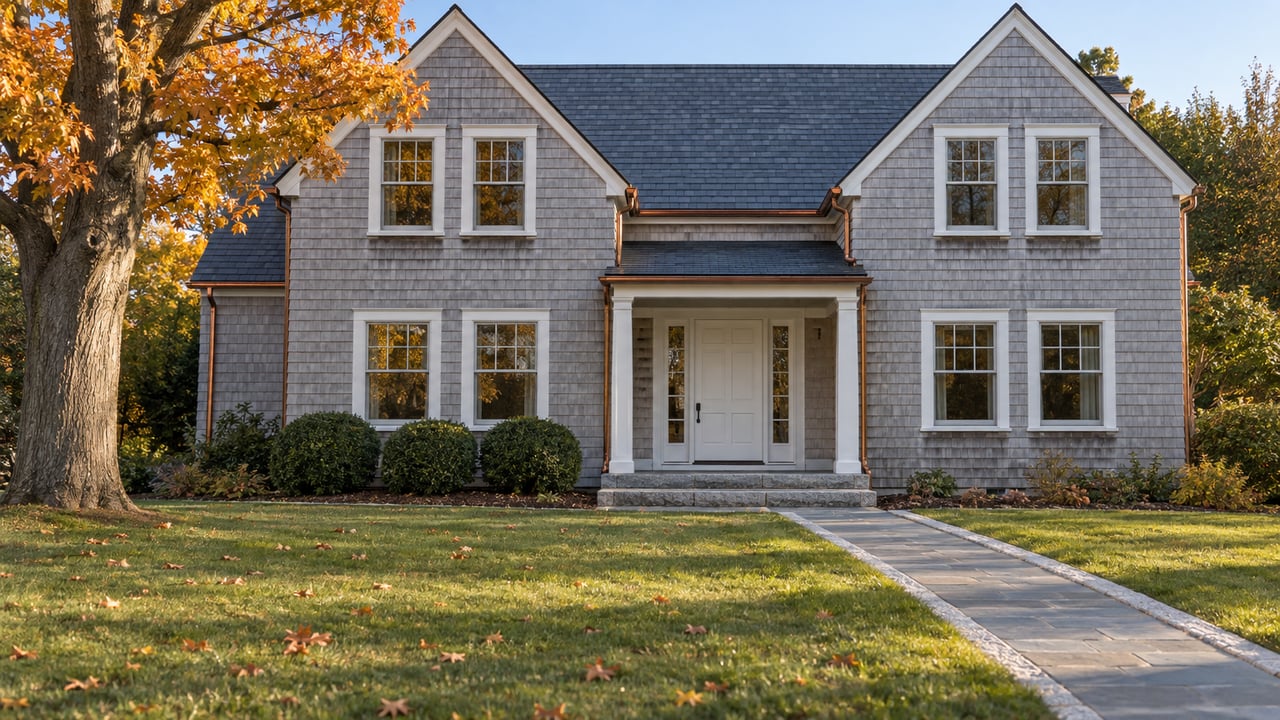
These homes often feature symmetrical facades, center-entry or center-hall layouts, multi-pane windows, center chimneys, and porch details inspired by earlier architectural periods. For many buyers, the appeal comes down to authenticity, visible craftsmanship, and a strong sense of continuity with the town’s past.
If you are drawn to homes with layers of detail and a more traditional layout, this style may feel naturally comfortable. Historic properties can offer a sense of permanence that is hard to replicate in newer construction.
What Buyers Often Love
Historic homes tend to attract buyers who value character that has been shaped over time. Features like original woodwork, old-growth materials, and period detailing can make a home feel distinctive in a way that newer finishes often do not.
You may also appreciate the way these homes relate to the surrounding streetscape and civic landmarks. In areas like Church Hill, architecture often feels connected to the broader story of the town.
What Defines Modern Homes
New Canaan is also widely known for its mid-century modern architecture. The New Canaan Museum & Historical Society describes the town as one of the country’s notable modernist landscapes, and properties like the Glass House have helped shape that identity.
Modern homes in New Canaan were often designed to maximize daylight, openness, and a strong connection to the outdoors. The Glass House, for example, was positioned to engage the landscape and used an open floor plan that was highly unusual in 1949, according to the museum’s overview.
If you prefer wide sight lines, clean geometry, and an indoor-outdoor feel, modern homes may be the better fit. These properties often appeal to buyers who want architecture to feel more transparent, minimal, and closely tied to the site itself.
What Buyers Often Love
Many buyers are drawn to the amount of natural light found in modern homes. Expansive glass, fewer interior walls, and a stronger relationship to the landscape can create a calm, gallery-like atmosphere.
Architectural pedigree can also be part of the appeal. In New Canaan, mid-century modern homes are not just a design preference. They are part of a recognized local architectural legacy.
Lifestyle Differences To Consider
The biggest difference between historic and modern homes is often how they support daily living. Historic homes may offer more defined rooms and a traditional floor plan, which some buyers prefer for privacy or a more formal layout.
Modern homes often lean toward open living spaces and a seamless connection between inside and outside. If your ideal home centers around light, views, and fluid gathering space, a modern layout may align more closely with how you want to live.
Neither option is inherently better. The right choice depends on whether you are looking for architectural detail and tradition, or openness and visual simplicity.
Maintenance Is Different, Not Easier
It is easy to assume that historic homes are harder to maintain and modern homes are simpler. In reality, both styles require thoughtful ownership, just in different ways.
For historic buildings, the National Park Service notes that weatherization should minimize impact on original design and materials. That can include repairing or upgrading historic windows and doors, using caulking and weather-stripping, and recognizing that older homes may already have built-in energy-saving features.
For modern homes, maintenance often centers on the building envelope. The Glass House restoration information shows how seal failures, skylight systems, and water intrusion can become major issues if not addressed carefully.
Historic Home Maintenance Points
If you are considering a historic home, pay close attention to:
- Original features that remain in place
- Condition of windows and doors
- Roof and chimney maintenance history
- Mechanical system updates
- Whether renovation records are available
- Whether lead-based paint or asbestos may be present in older materials
The EPA guidance cited by the National Park Service notes that pre-1978 homes can contain lead-based paint and that older homes are more likely to contain asbestos. That does not mean these homes should be avoided. It means renovations should be approached with proper safety practices.
Modern Home Maintenance Points
If you are considering a modern home, focus on:
- Age and condition of glass systems
- Skylight seals and prior repairs
- Roof membrane condition
- Drainage details around flat or low-slope roofs
- Water intrusion history
- Availability of replacement parts for custom components
These items matter because many modern homes rely heavily on glazing, specialty details, and custom construction elements. A clean design can still involve complex upkeep behind the scenes.
Renovation Freedom Matters
Style is important, but ownership flexibility may matter even more. Before you fall in love with either type of home, it is worth understanding what local designation could mean for future changes.
The National Park Service says that National Register listing does not itself place federal restrictions on a private owner and does not automatically create local landmark zoning. However, the research report also notes that Connecticut’s State Historic Preservation Office says local historic district commissions review visible exterior changes, new construction, demolition visible from a public way, and features such as fencing, signs, and site lighting.
In simple terms, you should verify whether a property is individually listed, contributes to a district, or sits within a local historic district before assuming you can freely change the exterior. That question can be just as important as square footage or finish level.
Questions To Ask During Showings
Whether you prefer historic or modern architecture, asking the right questions early can save you time and money later.
Ask About Historic Homes
Use these questions as a starting point:
- Which original features remain?
- When were the roof, windows, and mechanical systems last repaired?
- Are any lead or asbestos reports available?
- Would future exterior changes require local review?
- Has an energy audit or weatherization work been completed?
Ask About Modern Homes
For modern properties, consider asking:
- How old are the glass systems and skylight seals?
- Has the home experienced water intrusion or seal failure?
- What is the condition of the roof membrane and drainage systems?
- Are replacement parts available for custom features?
- What energy upgrades or audits have already been completed?
These questions can help you move beyond aesthetics and focus on what ownership will really feel like after closing.
Which Style Fits You Best?
A historic home may be the better choice if you value original details, traditional layouts, and the feeling of living inside a piece of local history. Buyers who choose these homes are often comfortable with periodic repair work and, in some cases, added review for exterior changes.
A modern home may be the stronger fit if you prioritize light, openness, architectural distinction, and a closer relationship with the landscape. Buyers drawn to this style are often more comfortable evaluating custom systems, glazing performance, and restoration history.
In New Canaan, both options can be exceptional. The right decision usually comes down to how you define comfort, beauty, and long-term stewardship.
If you are comparing homes in New Canaan or anywhere across Fairfield County, working with a team that understands both architecture and day-to-day ownership can make the process much clearer. The Coastal Collective Team brings a boutique, client-first approach to helping you evaluate what fits your goals, your lifestyle, and the way you want to live.
FAQs
What makes historic homes in New Canaan different from modern homes?
- Historic homes in New Canaan are generally rooted in traditional and revival-era architecture, while modern homes are often mid-century designs focused on light, openness, and connection to the landscape.
What should you inspect first in a historic home in New Canaan?
- Start with the condition of original features, windows, roof, chimneys, mechanical systems, and any available records related to lead-based paint, asbestos, or prior repairs.
What should you inspect first in a modern home in New Canaan?
- Focus on glass systems, skylight seals, roof membrane condition, drainage details, water intrusion history, and the service history of custom architectural elements.
Do historic district rules affect home changes in New Canaan?
- They can, especially for visible exterior changes, so you should verify whether the property is individually listed, contributes to a district, or is located within a local historic district before planning alterations.
Are older homes in New Canaan always less energy efficient?
- No. The National Park Service notes that many historic buildings include inherent energy-saving features, and efficiency improvements can often be made without automatically replacing original materials.
Why are modern homes in New Canaan so well known?
- New Canaan is recognized for its mid-century modern legacy, with more than 100 modern homes built between 1949 and 1973 and notable landmarks such as the Glass House helping define the town’s architectural reputation.