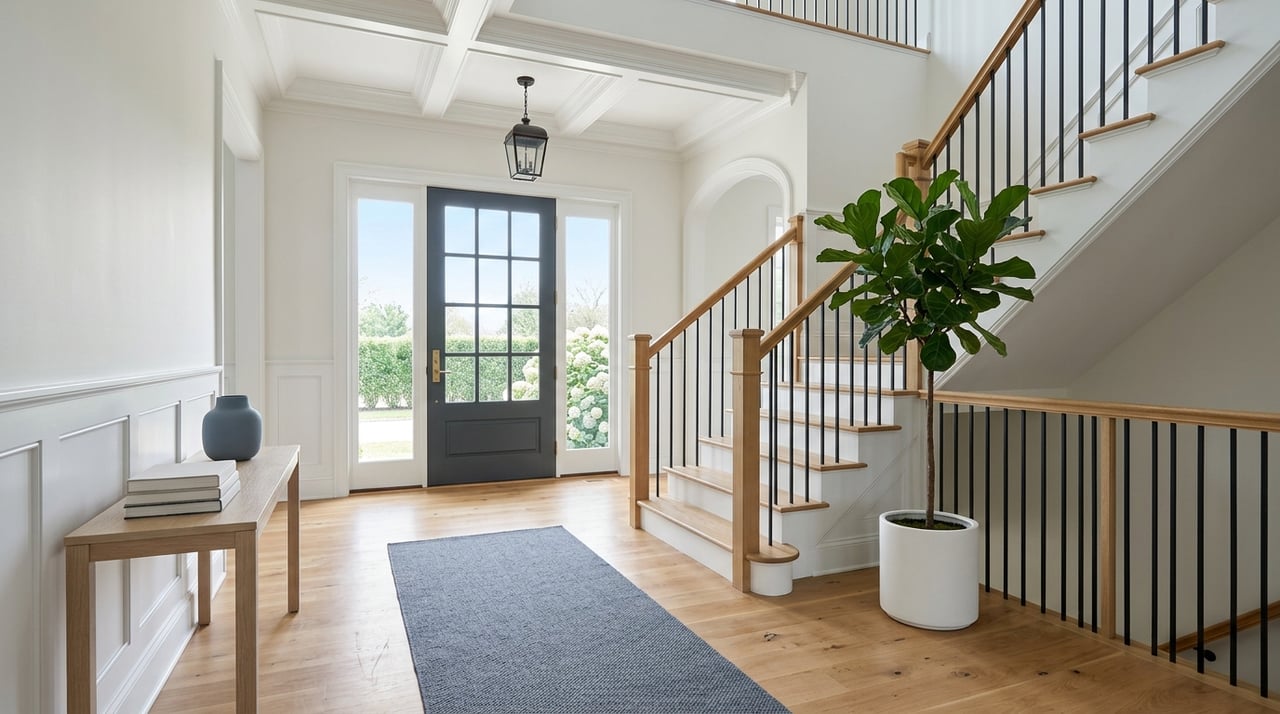
If you are preparing a luxury home for sale in Greenwich, first impressions are not a small detail. In a market where buyers expect polish, accuracy, and a strong sense of value, the way your home is presented can shape both the pace of the sale and the offers you receive. The good news is that a smart prep plan does not have to mean doing everything at once. It means focusing on the updates, disclosures, and launch strategy that matter most. Let’s dive in.
Why prep matters in Greenwich
Greenwich is a premium market, and buyers tend to notice both presentation and pricing right away. In Greenwich’s Q1 2026 update, single-family homes closed at a median price of $3,831,000, with an average of 81 days on market. Greenwich REALTORS® also reported that 57% of residential homes sold at or above list price in 2025, and 73% closed within 60 days.
That tells you something important. Buyers are active, but they are also selective. A luxury home that launches with strong visuals, clear disclosures, and a pricing strategy based on recent comparable sales is better positioned to stand out.
Start with condition and disclosures
Before you think about photography or staging, make sure you understand your home’s known condition. In Connecticut, sellers of 1 to 4 unit residential property must provide the Residential Property Condition Disclosure Report before a buyer signs a binder, contract, option, or lease with purchase option. If the report is not provided, the seller must credit the buyer $300 at closing.
The form covers issues that can affect both value and negotiations. That includes flood hazard and inland wetlands status, historic or village district status, foundation or slab concerns, basement seepage, roof leaks, drainage, sewer or septic issues, radon, lead paint, and more. For a Greenwich seller, it is usually better to verify known issues early instead of waiting for a buyer inspection to bring them to light.
Connecticut also lists a separate Residential Foundation Condition Report that became effective July 1, 2025 for certain owners or properties. Because the rule may not apply to every home, it is worth confirming whether your specific address requires it before listing.
Check permits before repairs
If your prep plan includes repairs or updates, do not treat permits as an afterthought. Connecticut DCP advises sellers to verify permits with the local building official and make sure any contractor applying for a permit is properly authorized.
This matters even for cosmetic work that becomes more involved than expected. In luxury homes, buyers often ask detailed questions about improvements, systems, and renovation history, so having documentation in order can help your sale move more smoothly.
Know your flood and wetlands context
For coastal or water-adjacent properties, this step deserves extra attention. FEMA’s Map Service Center is the official source for flood maps, Greenwich has an Inland Wetlands and Watercourses Agency, and FEMA notes that standard homeowners insurance typically does not cover flood damage.
If your property is near the water, in a flood-prone area, or affected by wetlands, confirm the facts before marketing begins. Clear, accurate information helps avoid confusion later and supports a more confident buyer experience.
If your home was built before 1978
Older luxury homes often carry historic charm, but they may also trigger lead-based paint disclosure requirements. For homes built before 1978, federal rules require the EPA or HUD pamphlet, disclosure of known lead hazards and available records, and retention of those disclosure documents for at least three years.
Connecticut DPH also notes that a buyer can have a 10-day lead inspection period after contracting unless that right is waived. If your home falls into this category, preparing the paperwork in advance can help reduce last-minute stress.
Make targeted updates, not random ones
Luxury sellers sometimes assume they need a full renovation before listing. In most cases, a more strategic approach works better. The goal is to remove distractions, address visible issues, and elevate the spaces buyers notice first.
According to NAR’s 2025 staging report, the most common recommendations from agents were decluttering, cleaning, and improving curb appeal. Greenwich REALTORS® echoes a similar local approach, including fresh paint, updated light fixtures, new cabinet hardware, landscaping improvements, and major repairs when needed, such as roof, HVAC, or structural work.
Focus on the rooms buyers care about most
Not every room carries the same weight during a showing. Buyers’ agents in NAR’s 2025 staging report said the most important rooms to stage were the living room, primary bedroom, and kitchen.
That is a helpful checklist for luxury prep in Greenwich. If you want to make the biggest visual impact, start with the spaces where buyers are most likely to picture daily life and entertaining.
Use a less-but-better approach
For high-end homes, overstyling can work against you. A cleaner approach often feels more refined and more expensive. Remove personal clutter, simplify decor, and let scale, light, finishes, and architecture lead the story.
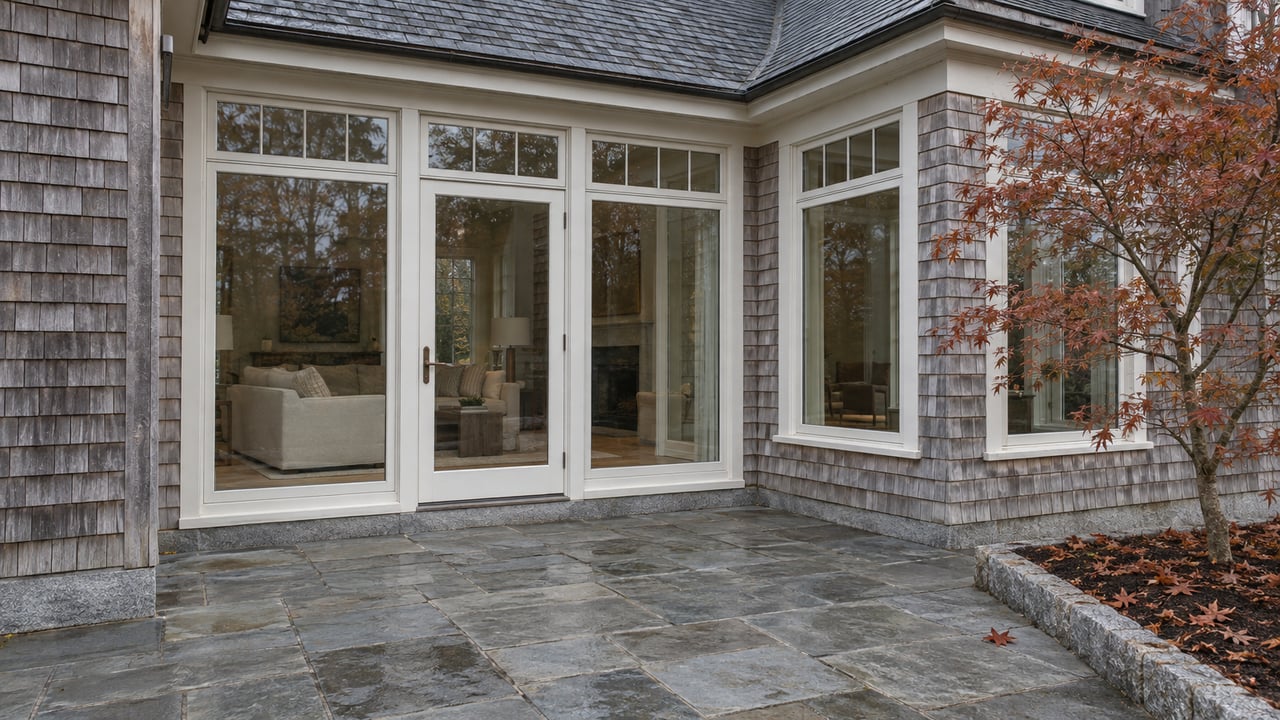
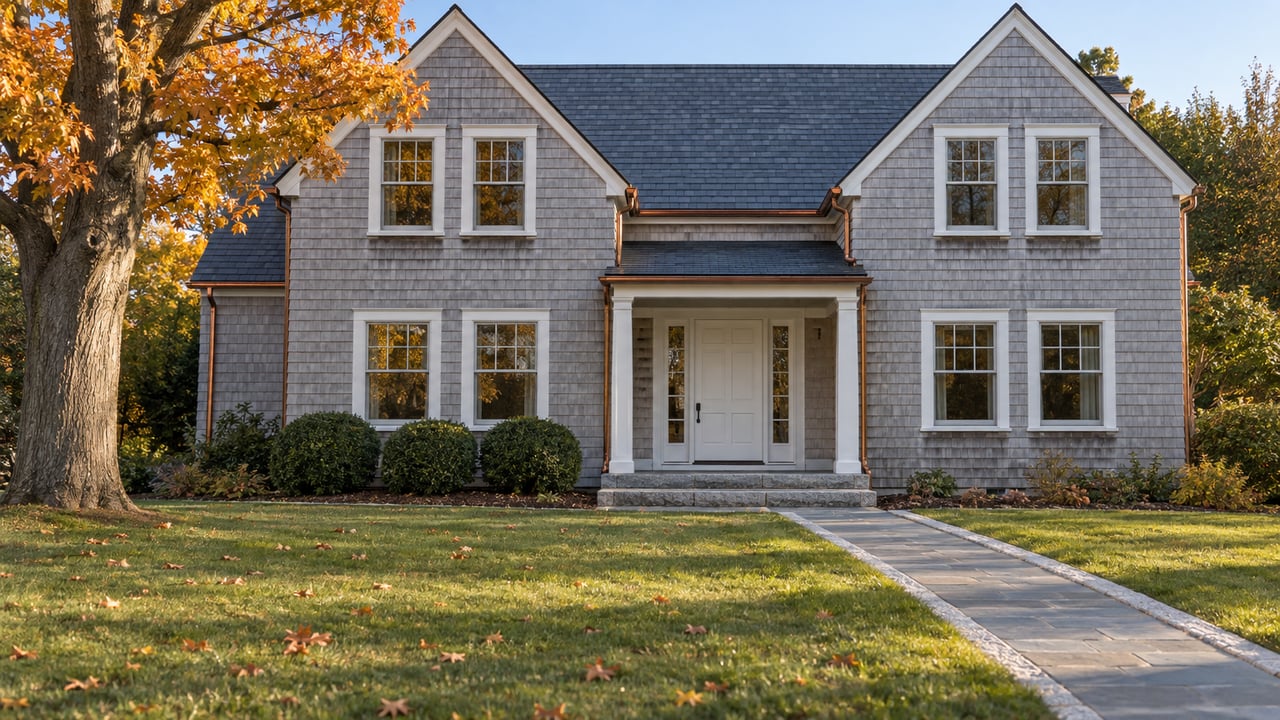
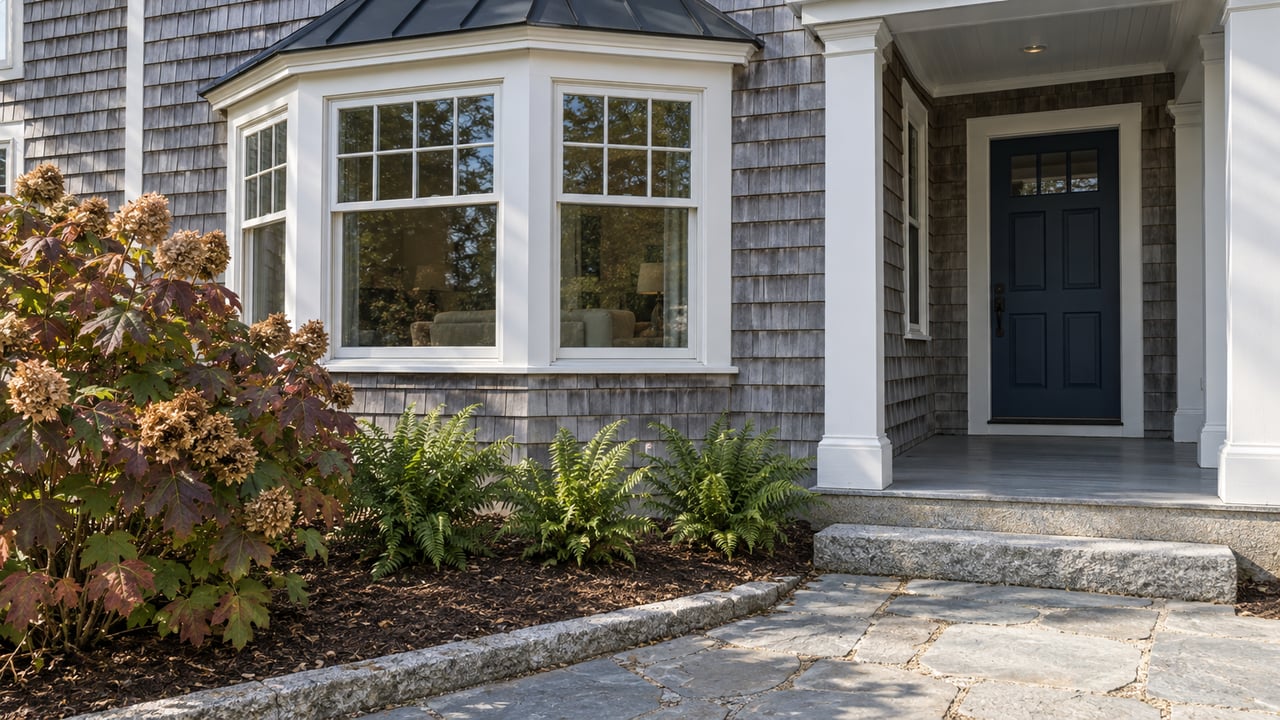
The exterior should feel just as intentional as the interior. Entry sequences, driveways, front landscaping, terraces, pools, and outdoor living areas all help shape the buyer’s impression before they even walk inside.
Staging can support value and speed
Staging is not just about appearance. It can also affect how quickly your home sells and how buyers perceive its value. In NAR’s 2025 report, 29% of agents said staging led to a 1% to 10% increase in the dollar value offered, and 49% of sellers’ agents said staging reduced time on market.
For a Greenwich luxury listing, that does not mean filling every room with furniture. It means making sure each important space feels purposeful, scaled correctly, and easy to understand.
Be careful with virtual staging
Virtual staging can be useful, especially for vacant rooms or difficult layouts. But it needs to be used carefully. NAR stresses that buyers should know when images are digitally altered, and edits should not misrepresent scale, condition, or features.
In other words, your marketing should inspire interest without creating false expectations. In a luxury sale, trust is part of the presentation.
Photography is not optional
Your media package is often your first showing. NAR says 81% of buyers consider listing photos the most important factor when evaluating properties. Buyer agents also said photos, physical staging, videos, and virtual tours are highly important in listings.
That matters even more in Greenwich, where out-of-town buyers may be relocating for work, lifestyle, or investment. Your listing needs to communicate the home clearly and capture what makes the setting compelling.
Show the home and the setting
Greenwich REALTORS® notes that factors such as waterfront location and proximity to town can influence value. That means your marketing should not only show rooms. It should also show the property’s broader context, such as outdoor living areas, approach, privacy, lot features, and relationship to the surrounding setting.
Drone photography or video can help with that. NAR’s 2025 technology survey found drone media among the most commonly used tools by REALTORS®, which reflects how useful it can be in presenting scale and location.
Price with discipline from day one
Even the most beautiful listing can lose momentum if it is overpriced. Greenwich REALTORS® advises that overpricing can prolong time on market and lead to price reductions. Their seller guidance also points to a comparative market analysis based on recent similar sales as the best pricing tool.
In a luxury market, price is part of the strategy, not just a number. Buyers compare condition, location, land, amenities, and presentation. If your home is priced with discipline from the start, the rest of your prep work has a better chance to pay off.
Time your launch with the season
Timing can also shape your results. Greenwich REALTORS® identifies spring and early summer as peak selling seasons, fall as a season for serious buyers, and winter as generally slower but often filled with motivated buyers.
That does not mean you must wait for the perfect month. It means your launch should match the season and your home’s best features. Gardens, outdoor entertaining areas, natural light, and waterfront elements may shine differently depending on when you bring the home to market.
A smart Greenwich prep workflow
If you want a simple way to think about the process, follow this order:
- Review your home’s known condition.
- Confirm required Connecticut disclosures and whether any special reports apply.
- Verify permits and plan repairs.
- Address major issues first, then cosmetic upgrades.
- Declutter, deep clean, and improve curb appeal.
- Stage the living room, primary bedroom, and kitchen with intention.
- Create an accurate photo and video package.
- Price the home using recent Greenwich comparable sales.
- Launch with a coordinated marketing plan.
This sequence helps you avoid a rushed listing. It also puts your home in a stronger position when buyers begin comparing options.
Preparing a luxury home for sale in Greenwich is about more than making it look good for photos. It is about creating confidence at every step, from condition and compliance to presentation and pricing. When those pieces are aligned, your home enters the market with a stronger story and a better chance of attracting serious interest.
If you are thinking about selling and want a tailored prep strategy for your home, Coastal Collective Team can help you evaluate condition, presentation, and pricing with a luxury-focused, local approach.
FAQs
What should luxury sellers in Greenwich do before listing a home?
- Start by reviewing your home’s condition, confirming required Connecticut disclosures, checking whether permits and special reports apply, and then planning repairs, staging, media, and pricing before the home goes live.
What disclosures are required when selling a home in Greenwich, Connecticut?
- Sellers of 1 to 4 unit residential property must provide the Connecticut Residential Property Condition Disclosure Report before a buyer signs certain agreements, or the seller must credit the buyer $300 at closing.
Which rooms matter most when staging a luxury home for sale in Greenwich?
- Based on NAR’s 2025 staging report, the rooms buyers’ agents ranked most important to stage are the living room, primary bedroom, and kitchen.
How important is professional photography for a Greenwich luxury listing?
- It is critical, since NAR reports that 81% of buyers consider listing photos the most important factor when evaluating properties.
When is the best time to sell a home in Greenwich?
- Greenwich REALTORS® says spring and early summer are peak selling seasons, fall tends to attract serious buyers, and winter is usually slower but can still bring motivated buyers.