Dreaming of life by the water in Greenwich? The shoreline here is not one single beach-town experience, and that is exactly what makes it so appealing. If you are trying to figure out which part of the coast fits your lifestyle, this guide will help you understand the daily rhythm, neighborhood feel, and housing character along the Greenwich shore. Let’s dive in.
Greenwich shoreline living at a glance
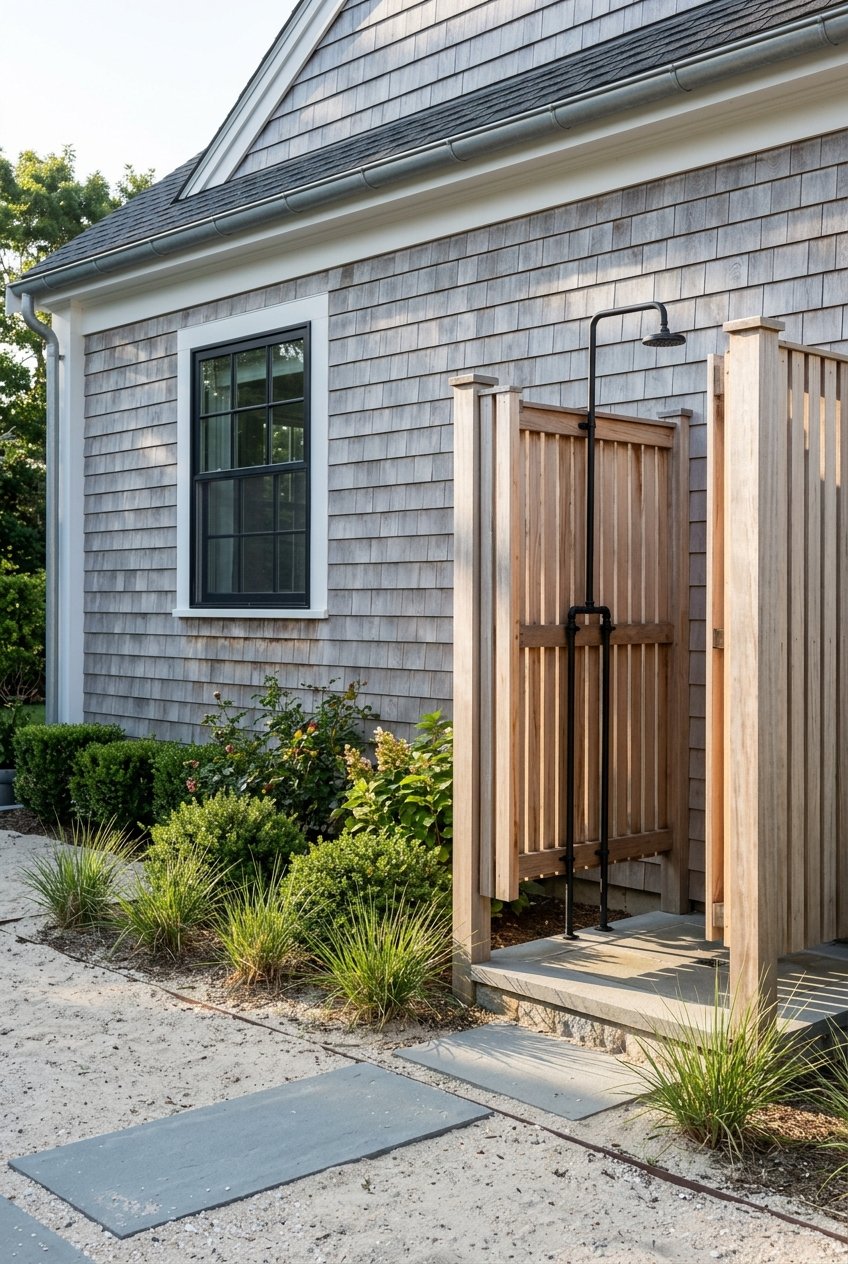
Living along the Greenwich shoreline means choosing from a series of distinct waterfront settings rather than one continuous coastal strip. Across town, the shoreline experience is shaped by beaches, marinas, parks, harbor areas, and historic village centers.
The Town of Greenwich identifies Greenwich Point, Island Beach, Great Captain Island, Byram Park, Cos Cob Marina, and Grass Island Park among its key beaches, boating, and water facilities. Greenwich Point alone spans 147.3 acres and includes historic buildings, trails, beaches, and a boat yard with launch access.
That mix of public access and preserved scenery is a big part of the appeal. Greenwich’s 2022 Open Space Plan also reflects the town’s ongoing effort to protect natural attributes and preserve important land, which helps explain why waterfront living here often feels green, park-oriented, and tied closely to the landscape.
Daily life by the water
If you live near the shore in Greenwich, your routine often follows the seasons. The town’s OnePass system structures access to many beaches, boating facilities, and recreation spaces, with the Park Pass active from May through October for places including Byram Park, Great Captain Island, Greenwich Point, and Island Beach.
In practical terms, summer is when shoreline life becomes most visible. Beach days, ferry trips, picnics, pool afternoons, walks along the water, and boating activity all become part of the local rhythm.
Greenwich Point is one of the clearest examples of this lifestyle. Town amenities there include beaches, swimming, picnic areas, trails, concessions, a boat yard, and a launch for boats and kayaks.
Byram Park adds another layer to the summer pattern. Its amenities include a beach, pool, boat club, clambake pavilion, playground, marina, boat launch, tennis courts, and walking trails, giving residents a broad mix of outdoor options in one place.
Boating is part of the culture
In Greenwich, boating is not just a weekend extra. It is a visible part of shoreline identity, supported by town facilities that serve both residents and visitors.
The town lists about 170 slips at Byram Marina and about 175 slips at Cos Cob Marina. Grass Island Marina in Greenwich Harbor also provides visitor and transient tie-up space, reinforcing how active the harbor and marina system is across multiple shoreline pockets.
For buyers who want close ties to the water, this matters. Some areas feel more beach-centered, while others feel more connected to marinas, launches, and working waterfront activity.
Old Greenwich offers a village shoreline feel
Old Greenwich is one of the most recognizable shoreline pockets for buyers who want a village setting near the water. Historically, it began as the original town, later became known as Sound Beach when the train started stopping there in 1872, and returned to the name Old Greenwich in 1931.
Today, planning materials describe the area as a walkable village centered on its business district, with nearby shops, services, restaurants, the train, and community institutions. That gives this part of town a daily feel that is convenient and connected rather than purely seasonal.
Landmarks and civic spaces help define the atmosphere. Sound Beach Avenue, Binney Park, the First Congregational Church, Perrot Memorial Library, and the Cohen Eastern Greenwich Civic Center all contribute to a strong sense of local identity.
Greenwich Point is the signature shoreline destination nearby, so Old Greenwich offers a blend of village life and beach access. If you want a coastal setting with a well-defined center, this area often stands out.
Cos Cob blends harbor life and daily convenience
Cos Cob has a different shoreline personality. Its roots tie back to the Lower Landing of the Mianus River, and it also holds an important place in local cultural history as the site of the town’s first art colony in Connecticut.
From a lifestyle perspective, Cos Cob feels practical and layered. Planning materials describe the village center, known as The Hub, as an area where retail and office uses, the library, post office, and other everyday destinations sit within walking distance for many residents in the southern part of the neighborhood.
That creates a shoreline pocket that feels more mixed-use than resort-like. Cos Cob Park adds harbor views, a gazebo, fields, a walking track, and a theater-style overlook, while Cos Cob Marina reinforces the neighborhood’s connection to the water.
If you want a waterfront setting that supports errands, recreation, and a working-harbor feel, Cos Cob may be especially appealing.
Riverside feels quieter and more residential
Riverside grew from the historic Mianus Neck community and was renamed in 1869 during an effort to attract summer renters and homeowners. That same push included the creation of a railroad stop and train station, which still helps explain the neighborhood’s long-standing appeal.
Today, Riverside is often understood as a quieter residential shoreline pocket. Its identity is shaped by river-edge geography, commuting access, and the continuing appeal of living near the water year-round.
For buyers, Riverside can represent a more understated shoreline option. It tends to read as residential first, with the water and transportation history still playing an important role in the neighborhood story.
Byram is active and summer-forward
Byram anchors Greenwich’s western shoreline and has one of the most activity-oriented waterfront profiles in town. Byram Park spans more than 30 acres and includes a beach, pool, boat club, clambake pavilion, playground, marina, boat launch, sports fields, and walking trails.
The marina itself has about 170 slips, plus kayak and paddleboard storage and winter storage options. That setup makes Byram especially attractive if you picture your shoreline lifestyle revolving around boating, launching, and park access.
The seasonal rhythm is especially clear here. Because the pool operates from Memorial Day through Labor Day, Byram tends to feel distinctly summer-forward, with warm-weather recreation playing a central role.
Belle Haven, Field Point, and Indian Harbor feel estate-scaled
Some parts of the Greenwich shoreline have a more private, estate-oriented character. Belle Haven, Field Point, and Indian Harbor are most often associated with this side of the market.
Historical sources describe Belle Haven as Greenwich’s first planned residential park, with features such as a beach, bath houses, lawn tennis, and dock. Field Point developed into a series of large shorefront estates, while Indian Harbor was historically an 80-acre peninsula with a major shorefront estate.
That history still shapes how these areas are perceived today. Compared with village-centered neighborhoods, this stretch of shoreline feels more private, more estate-scaled, and more closely tied to large properties and shorefront settings.
Shoreline architecture is varied
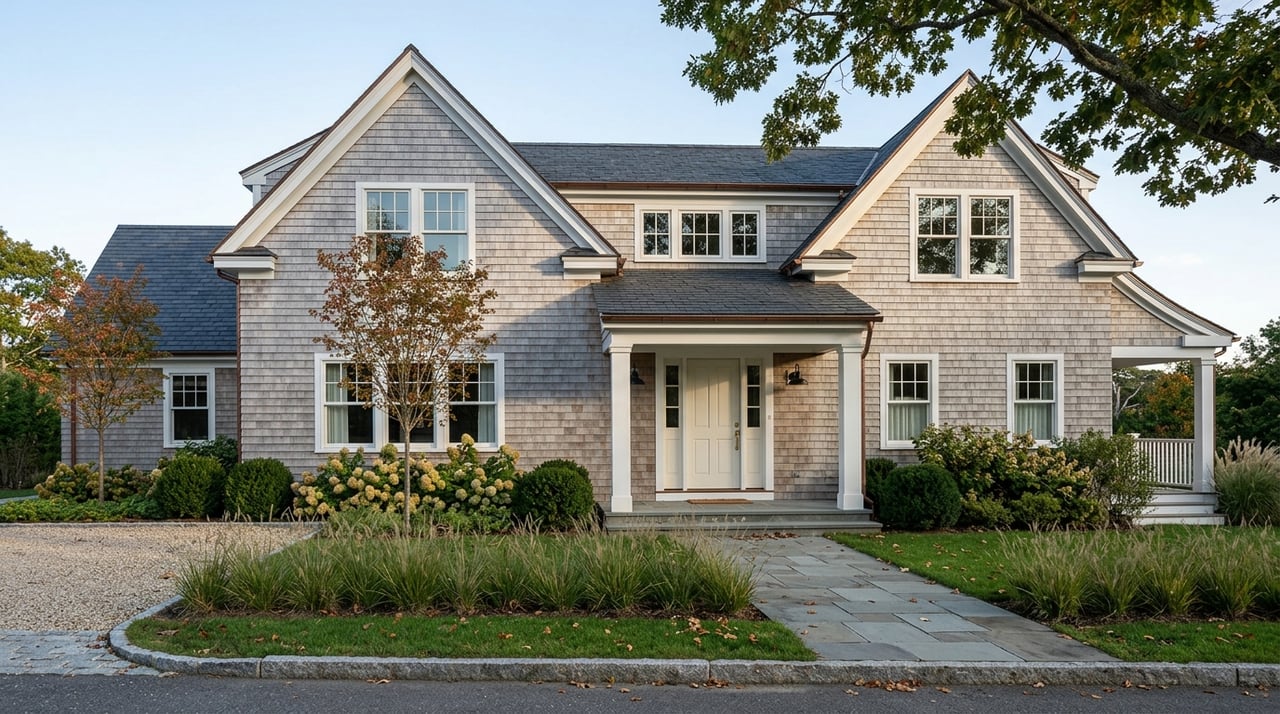
One of the most interesting parts of Greenwich shoreline living is that there is no single architectural style that defines it. Historical sources document a wide range of styles across the shoreline, including Georgian, Colonial, Greek Revival, Italianate, Second Empire, Colonial Revival, Shingle Style, Beaux Arts, Neoclassical, Tudor Revival, and Elizabethan Tudor examples.
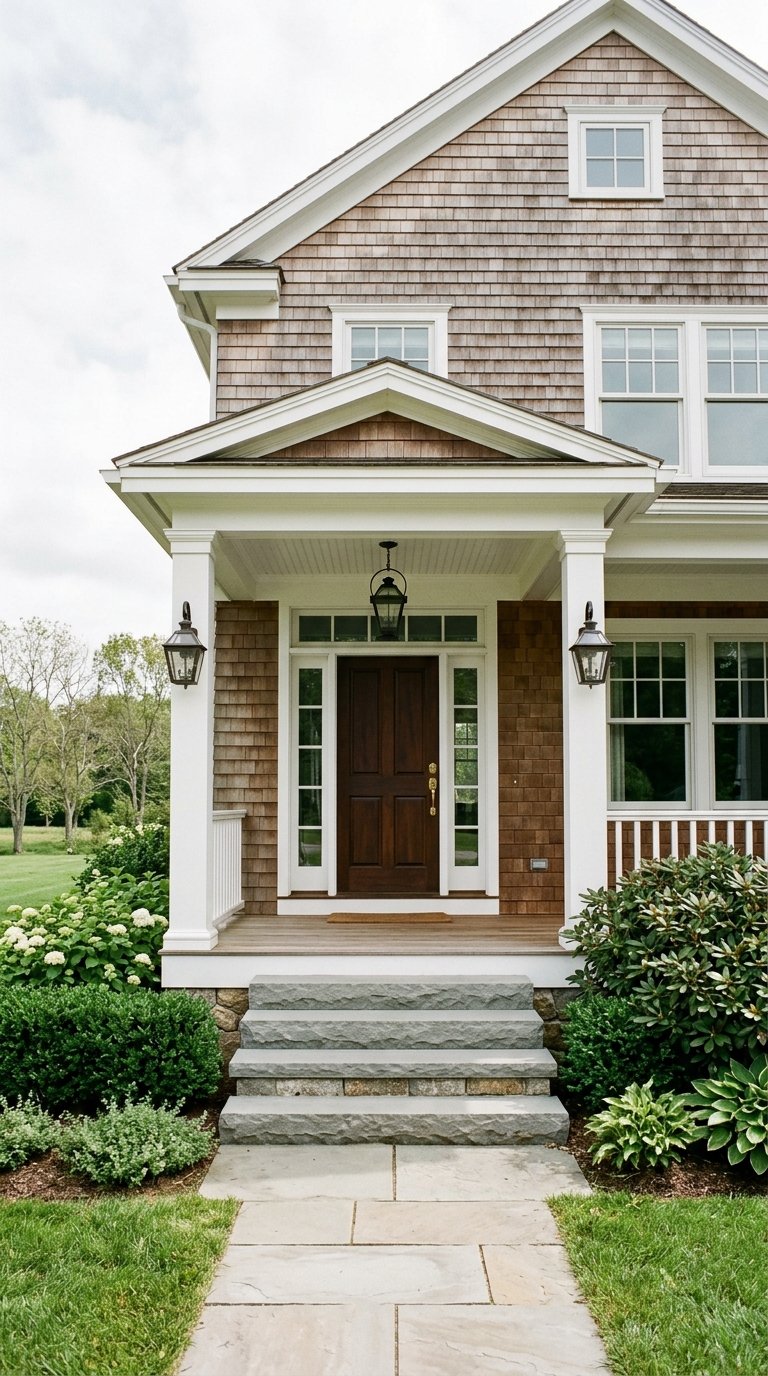
That variety shows up in the housing stock in meaningful ways. Depending on the shoreline pocket, you may find one- and two-story mixed-use village buildings, older cottages, carriage-house properties, and larger estate homes with long drives, mature landscaping, and broad water views.
In Old Greenwich, planning materials place clear emphasis on preserving the bulk, scale, facades, and tree canopy of the commercial center. That reinforces how closely the shoreline’s built character is tied to local history and long-established patterns of development.
How to choose the right shoreline pocket
If you are comparing shoreline neighborhoods in Greenwich, it helps to focus on the kind of lifestyle you want most. The shoreline is best understood as a choice between village, harbor, marina, and estate settings.
A few broad patterns stand out:
- For a walkable village feel: Old Greenwich and Cos Cob are the strongest matches in town planning materials.
- For boating and beach access: Byram, Greenwich Point, Cos Cob Harbor, and Grass Island stand out.
- For a more private, estate-like setting: Belle Haven, Field Point, and Indian Harbor are the clearest examples.
- For public waterfront access: It is meaningful, but seasonal and structured through passes, tickets, and resident verification.
It is also worth noting that civic institutions help these areas feel like a set of smaller communities. Perrot Memorial Library serves Old Greenwich, Cos Cob has its own branch, and Byram has the Byram Shubert branch, all of which support a neighborhood-based rhythm of daily life.
What shoreline buyers should keep in mind
When you start exploring homes along the Greenwich shore, it helps to look beyond the water view alone. The better question is how you want your day-to-day life to feel.
Do you want to be near a village center with shops and train access? Do you picture weekends built around marinas and boat launches? Or are you looking for a more estate-scaled shoreline setting with a quieter, more private atmosphere?
In Greenwich, those differences matter because each shoreline pocket tells a different lifestyle story. The common thread is proximity to water, preserved green space, and a local history that still shows up in parks, architecture, and long-established neighborhood patterns.
If you are thinking about buying or selling along the Greenwich shoreline, working with a local team that understands these micro-markets can help you match the right property to the right lifestyle. For tailored guidance on coastal homes across Fairfield County, connect with Coastal Collective Team.
FAQs
What is shoreline living like in Greenwich, CT?
- Shoreline living in Greenwich is shaped by distinct waterfront pockets that include village areas, marinas, beaches, parks, and estate-style shorefront settings rather than one continuous beach-town environment.
Which Greenwich shoreline areas feel most walkable?
- Town planning materials point to Old Greenwich and Cos Cob as the shoreline areas with the strongest walkable village feel and nearby daily amenities.
Where can residents access beaches and boating in Greenwich?
- The Town of Greenwich lists facilities such as Greenwich Point, Island Beach, Great Captain Island, Byram Park, Cos Cob Marina, and Grass Island Park among its main beaches, boating, and water access points.
Is public waterfront access in Greenwich available year-round?
- Public access is structured seasonally in many cases, with the town’s OnePass system and Park Pass governing access to several beach and recreation facilities from May through October.
Which Greenwich shoreline neighborhood is best for boating access?
- Byram, Cos Cob Harbor, Grass Island, and areas connected to Greenwich Point stand out for boating access because of their marinas, slips, launches, and water facilities.
What kinds of homes are found along the Greenwich shoreline?
- The shoreline includes a wide range of home types and styles, from village buildings and older cottages to carriage-house properties and large estate homes with mature landscaping and water views.