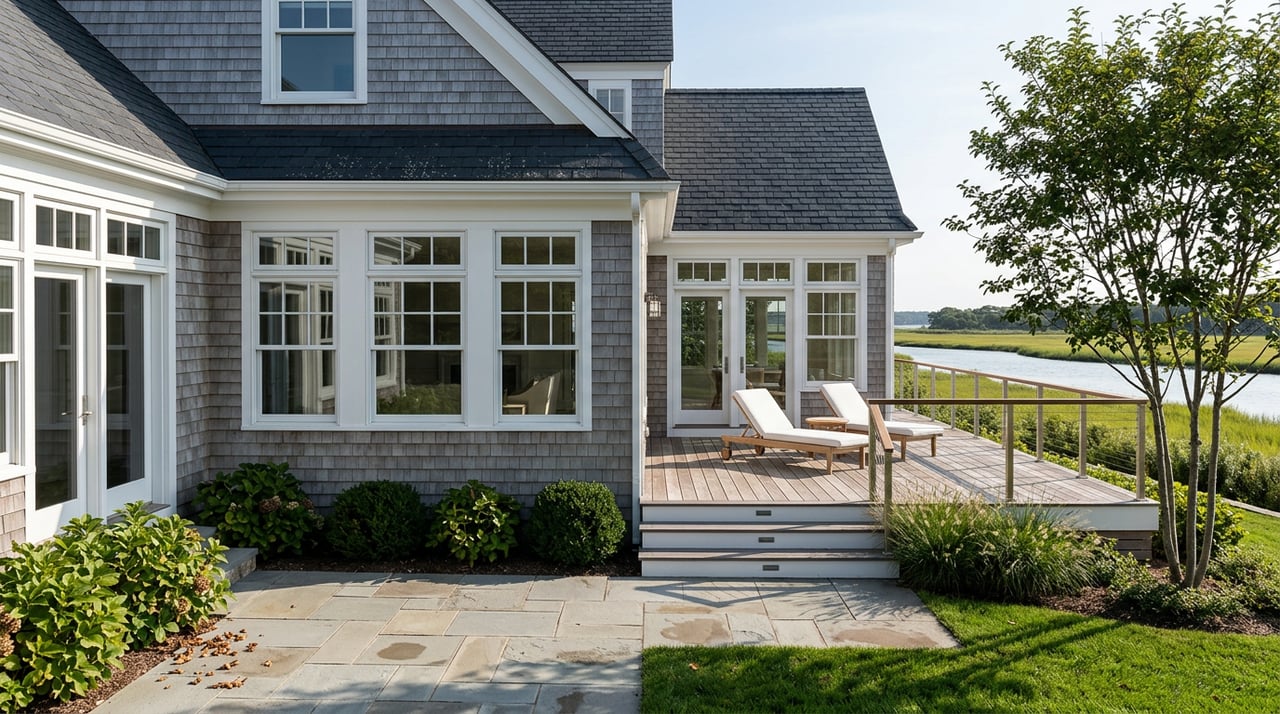
Choosing a waterfront home in Greenwich starts with one question: which shoreline fits your life? From open-Sound estates with sweeping views to sheltered coves made for everyday boating, each pocket offers a different rhythm. If you are weighing privacy, boat size, commute, and resale, the details matter. This guide breaks down Greenwich’s key waterfront areas, boating and mooring realities, commute access, and a smart due diligence checklist so you can move with confidence. Let’s dive in.
How Greenwich waterfronts differ
Greenwich’s coastline is diverse, and each frontage type carries its own tradeoffs for boating, privacy, and storm exposure.
Open‑Sound frontage
Open Long Island Sound exposure delivers the classic horizon view and quicker access to deep water. You tend to see larger estate parcels, private beaches, and the potential for private docks. With more exposure, you should budget time to evaluate shoreline structures and insurance early.
Protected harbors and coves
Sheltered water in places like Greenwich Harbor and Cos Cob’s inlets can make day‑to‑day boating easier. Depth can be a constraint in spots, so confirm tidal windows and dredging history before you count on a large private berth.
River mouths and tidal inlets
Areas along the Mianus River and nearby tidal channels often blend a residential feel with practical marina access. These waters are generally protected, which is great for small craft. Depth, permitting, and private‑dock rules can vary by stretch.
Islands and beach assets
Seasonal ferries connect downtown to Island Beach and Great Captain’s Island, and Greenwich Point (Tod’s Point) is a major town beach and park. These public amenities are a big lifestyle draw and can shape demand and parking dynamics in nearby neighborhoods.
Neighborhood snapshots for luxury buyers
Below is a buyer‑focused look at Greenwich’s primary waterfront pockets. Use it to match lifestyle priorities with on‑the‑water realities.
Belle Haven, Indian Harbor, and Mead Point
This is the classic Greenwich estate zone, known for privacy, gated enclaves, and Sound‑front views. If you want large lots with a legacy feel and deep‑water access, start here.
- Waterfront and lots: One‑acre‑plus parcels, significant shoreline improvements, and a mix of historic and modern estates.
- Boating and clubs: Indian Harbor Yacht Club anchors the boating scene with racing and social programs. Deep‑water access to the Sound is generally favorable in this pocket. Learn more about the club at the official Indian Harbor Yacht Club site.
- Town and rail: Downtown Greenwich is a short drive, and Greenwich station offers strong express service.
- Price signals: This area commands Greenwich’s highest waterfront premiums. A recent Mead Point sale reported around $40 million highlights what top Sound‑front estates can achieve, per local coverage in CTInsider.
Greenwich Harbor and Downtown (Grass Island and Shore Road)
Choose this if you want harbor views and walkability to Greenwich Avenue shops and services. It has a village‑harbor vibe with more public access than the estate enclaves.
- Waterfront and lots: Smaller lots and select condos or townhomes with premium water views.
- Boating and marinas: Grass Island Park includes a town marina and the Greenwich Boat & Yacht Club. Check depths and tidal windows before planning for a large private berth. Explore town facilities at Grass Island Park.
- Town and rail: You are next to downtown and the Greenwich station for the fastest express options.
- Price signals: Walkable waterfront with views often trades quickly when move‑in ready, given the broader buyer pool.
Cos Cob and the Mianus River edge
Cos Cob blends a small‑marina lifestyle with quick access to everyday amenities. It is a practical choice for protected boating and a residential feel.
- Waterfront and lots: A mix of renovated shingle styles, mid‑century homes, and newer builds along the river.
- Boating and marinas: The Town’s Cos Cob Marina and several private facilities line the Mianus. Depths and private‑dock rules vary, so due diligence is important. Review town facilities at Boating & Marinas.
- Town and rail: Cos Cob station is local, and downtown is a short drive.
- Price signals: Waterfront carries a premium but can be more approachable than the top Sound‑front tiers.
Old Greenwich, Greenwich Point (Tod’s Point), and Shorelands
Pick this for a “village plus beach” lifestyle. Many buyers trade estate scale for proximity to Tod’s Point, the village center, and community beaches.
- Waterfront and lots: Cottages, Victorians, and shingle styles, plus private associations like Shorelands. Point lots and permitted docks are rare and prized.
- Boating and marinas: Old Greenwich Yacht Club operates at Greenwich Point and the Town maintains a boatyard there. Access and permits follow town rules and seasonal schedules. Town facilities are summarized at Boating & Marinas.
- Town and rail: Old Greenwich station anchors the neighborhood, with many homes close to trains and beach.
- Price signals: Direct Sound‑front and frontline association properties often start in the mid to high single‑millions and rise for prime frontage or dock rights.
Riverside and eastern Greenwich enclaves
Riverside is calm and residential, with sheltered coves and association beaches. It is popular with buyers who want a quieter waterfront experience and club access.
- Waterfront and lots: Historic homes and newer custom builds, including association estates.
- Boating and marinas: Riverside Yacht Club and private associations are common boating bases. Large‑yacht depth may be more constrained than in Belle Haven.
- Town and rail: Riverside station is local, and downtown Greenwich is a short drive.
- Price signals: Well‑located association properties can reach the upper single‑digits to low eight figures, reflecting amenities and frontage.
Byram Shore and western Greenwich
Close to Port Chester and Rye, Byram mixes seaside cottages, redevelopments, and Sound‑front homes near town amenities and Byram Park.
- Waterfront and lots: A range of direct‑waterfront offerings, some with private beaches or docks.
- Boating and parks: Byram Park provides a municipal marina, launch, beach, and pool, which adds strong recreational value. See the Town’s overview at Boating & Marinas.
- Town and rail: Quick access to I‑95 and the downtown corridor.
- Price signals: Large Sound‑front lots can command significant premiums; supply is limited.
Boating, marinas, and moorings: what to know early
Greenwich supports an active boating community, but slips and moorings are finite. If your purchase depends on a berth for a specific boat, start your planning now.
- Town facilities: The Town operates public marinas and a boatyard in Byram, Cos Cob, Grass Island, and Greenwich Point. Resident permits, seasonal schedules, and waitlists apply. Review details at Boating & Marinas.
- Moorings and permits: The Harbor Management team oversees mooring placement by harbor and vessel size. Some areas are shallow, and island mooring lists can be multi‑year. Littoral owners may place permitted private moorings. See the Mooring Award & Placement Process.
- Private marinas: Full‑service private options exist, including facilities on the Mianus River such as Greenwich Waterside Marina. Apply early, since space and size limits vary.
- Clubs and culture: Private and town‑based clubs serve different needs, from racing calendars to family sailing. Explore membership and access timelines with organizations like Indian Harbor Yacht Club.
- Islands and ferries: Town ferries run seasonally to Island Beach and Great Captain’s Island, a treasured summer amenity. Schedules and passes are listed on the Town’s Island Beach page.
Commute and daily access
You have four Metro‑North stations in town: Greenwich, Cos Cob, Riverside, and Old Greenwich. Door‑to‑door travel to Midtown varies by address and train selection, with many buyers reporting 45 to 75 minutes door to door. For a closer look at station role and service context, review the Greenwich station overview.
If walkability is your priority, downtown Greenwich and Old Greenwich village are your most efficient bets. If your focus is privacy and estate scale, Belle Haven and adjacent peninsulas trade some walkability for space and shoreline.
Due diligence checklist for luxury waterfront
Waterfront ownership is special, but it is also technical. Build these steps into your offer timeline.
- Confirm littoral/riparian rights: Validate claimed dock rights, beach use, and any riparian moorings in the deed. Ask for permits and transferability. The Town outlines mooring governance in its Mooring Award & Placement Process.
- Review permits and approvals: Bulkheads, docks, dredging, and shoreline work often require CT DEEP and sometimes U.S. Army Corps approvals. Expect multi‑agency reviews and seasonal work windows. See regional resilience and permitting resources via Long Island Sound Resilience and the Army Corps context summarized in the Harbor Management Plan document.
- Secure a berth plan: If a slip or mooring is essential, confirm whether the property has a permitted dock, whether a riparian mooring is viable, or whether private or club space is available. Start waitlists early via the Town’s Boating & Marinas pages.
- Assess flood and insurance exposure: Pull FEMA maps and model sea‑level‑rise scenarios using resources in Long Island Sound Resilience. Lenders may require flood insurance in Special Flood Hazard Areas; premiums vary by elevation and construction.
- Inspect shoreline structures: Include a marine structural inspection for bulkheads, pilings, docks, and seawalls. Budget for near‑ and mid‑term maintenance.
- Check association rules: If the home sits in a beach or yacht association, review bylaws, guest policies, and assessments in detail.
- Verify utilities and access: Confirm sewer, water, and any private road or easement responsibilities on peninsulas and cove lanes.
- Plan first‑mile/last‑mile logistics: If you need parking, review the Town’s station‑parking permit process and waitlists before closing.
Which Greenwich shoreline fits your life?
- Choose Belle Haven/Mead Point/Indian Harbor if you want estate scale, privacy, and the best path to deep‑water boating.
- Choose Downtown/Greenwich Harbor if you want walk‑to‑town convenience with harbor views and club access.
- Choose Cos Cob/Mianus if you want protected water, practical marinas, and a residential feel with quick services.
- Choose Old Greenwich/Greenwich Point/Shorelands if your priorities are village life, beaches, and seasonal boat programs.
- Choose Riverside if you want calm coves, association amenities, and a quieter waterfront rhythm.
- Choose Byram Shore if you value town parks, a community marina, and direct Sound frontage near neighboring city conveniences.
Work with a local luxury guide
The right Greenwich waterfront is the one that fits your boating needs, commute, and long‑term plans. If you want seasoned guidance on shoreline types, mooring strategies, and off‑market opportunities, connect with the Coastal Collective Team for a private consult and neighborhood‑by‑neighborhood plan.
FAQs
What is the difference between open‑Sound and harbor frontage in Greenwich?
- Open‑Sound frontage offers big views and faster deep‑water access, while harbor and cove frontage is more protected for daily boating but can be depth‑constrained in places.
How hard is it to secure a boat slip or mooring in Greenwich?
- Town marinas and some island moorings have waitlists, and placement depends on vessel size and harbor depth, so you should apply early and confirm options with the Town’s mooring office.
Which areas are most walkable to trains and shops while on the water?
- Downtown Greenwich around Greenwich Harbor and much of Old Greenwich near Tod’s Point offer the strongest mix of waterfront views and walk‑to‑station convenience.
What should I budget for insurance and shoreline upkeep?
- Expect material flood and wind premiums on seafront estates and plan for periodic bulkhead, dock, and seawall maintenance, with costs varying by elevation, structure age, and exposure.
How long does permitting take for a new dock?
- Significant in‑water work often requires multi‑agency review, including CT DEEP and sometimes the U.S. Army Corps, so you should plan for a longer timeline with defined seasonal work windows.