Is a low‑maintenance home by the water calling your name? If you love Norwalk’s coastal energy, restaurant scene, and easy train access to NYC, a condo or townhome could be a smart move. In this guide, you’ll get a clear look at what you can buy, how HOA fees work, what to check during due diligence, and how to weigh commute and lifestyle perks. Let’s dive in.
Why Norwalk condos work
Norwalk sits on Long Island Sound and offers several distinct neighborhoods, from walkable South Norwalk to quieter pocket communities like Rowayton and Cranbury. Many buyers choose condos or townhomes here for lower maintenance, relative value within Fairfield County, and proximity to parks, marinas, and dining. If you commute, you will find strong rail options and a range of units within a short hop to stations.
What you can buy
Norwalk’s condo and townhome options are varied, which helps you match layout, lifestyle, and budget:
- Low‑rise brick walkups and smaller condo communities. Often built between the 1970s and 1990s, these typically offer 1 to 2 bedrooms and are popular with first‑time buyers and downsizers.
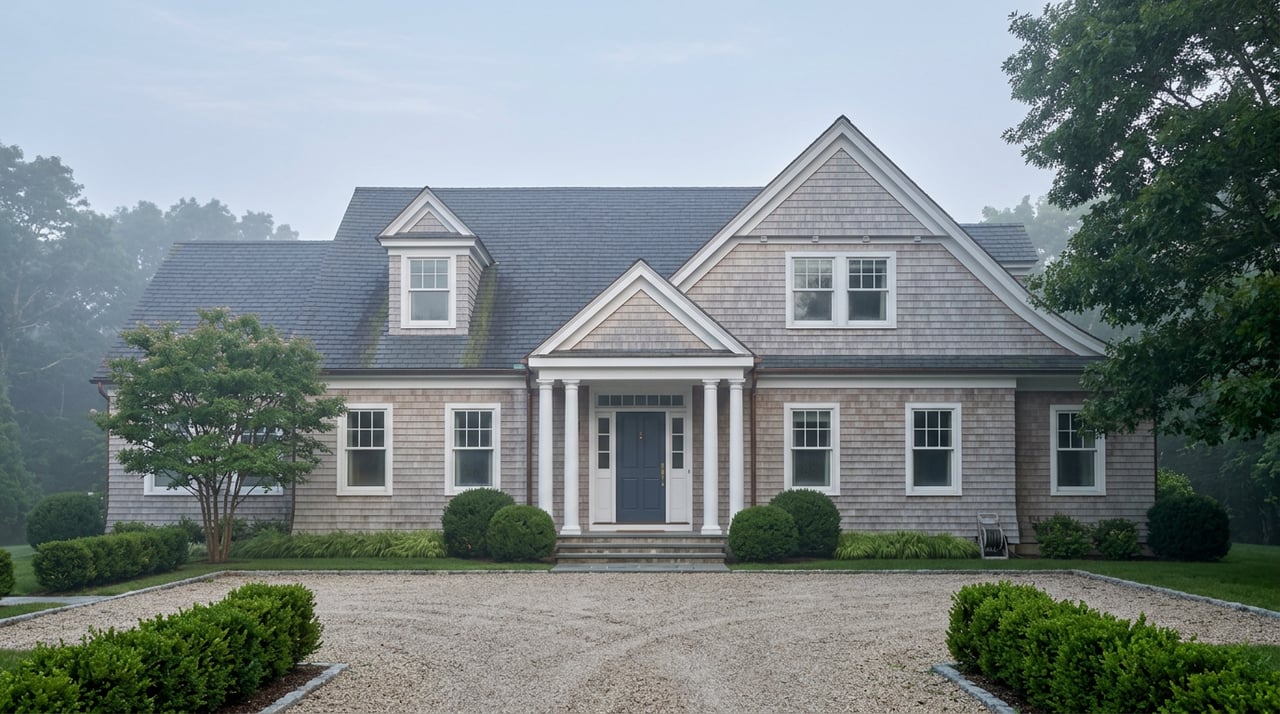
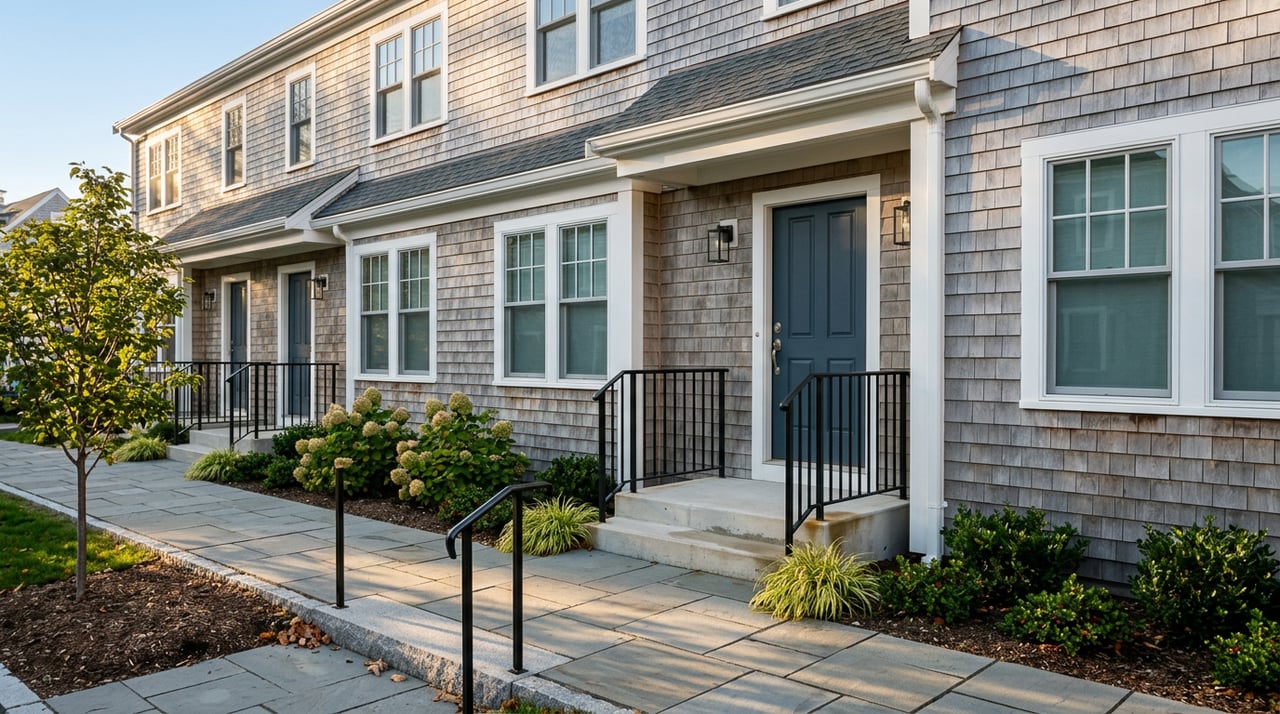
- Suburban townhome clusters. Two to three stories with private entries, 2 to 3 bedrooms, and house‑like layouts. Many include parking and some outdoor space.
- SoNo lofts and infill condos. Renovated conversions and newer buildings near dining and retail, usually with smaller footprints and great walkability.
Typical sizes you will see:
- Studios and 1‑bedrooms: about 400 to 800 square feet. Easier to maintain and often at entry price points.
- 2‑bedroom condos: roughly 800 to 1,300 square feet, a common sweet spot for space and value.
- Townhomes: usually 1,000 to 1,600+ square feet with 2 to 3 bedrooms and a more traditional layout.
Amenities can include pools, clubhouses or fitness rooms, on‑site management, and sometimes waterfront or pond views. Communities with broader amenities or utilities included in the fee usually carry higher monthly dues.
HOA fees explained
Your monthly condo or HOA fee typically covers some mix of the following:
- Building and common‑area upkeep
- Landscaping, snow and trash removal
- Management company and administrative costs
- Master insurance policy for the building
- Amenity maintenance like pools or elevators
- Sometimes utilities such as heat or hot water
In Norwalk, monthly fees commonly range from the low $200s to $600+ depending on building age, size, and what is included. Always review the current operating budget and ask what the fee does and does not cover. A building that covers heat and hot water may appear higher on paper, yet your out‑of‑pocket utilities could be lower.
A simple monthly budget example
Here is a quick way to frame your total housing cost:
Total monthly cost = mortgage principal and interest + property taxes + HOA/condo fee + unit owner insurance (HO‑6) + any utilities not covered by the HOA.
Example only: Assume a $425,000 purchase with 10 percent down, a 30‑year fixed loan at 6.75 percent. Loan amount is about $382,500 and estimated principal and interest is roughly $2,480 per month. Add property taxes (use the city’s current mill rate for your estimate), say $600 per month for illustration, plus a $400 HOA fee, $35 for HO‑6 insurance, and $150 for uncovered utilities. Your all‑in example would be about $3,665 per month. Lenders include HOA dues in your debt‑to‑income calculations, so it is smart to price both the mortgage and the fee together.
For current tax context and mill‑rate notes, review Norwalk’s latest financial documents in the city’s official records, such as the most recent Norwalk official financial statement.
Parking, EVs, and pet policies
Parking can be structured several ways, and the details matter:
- Deeded space. Strongest form because it is real property.
- Limited common element. Recorded for the unit in association documents.
- Assigned by the board or manager. Can change with policy shifts.
Confirm the status in the declaration and plats so you know whether your space transfers with the unit. For a plain‑English overview, review this guide to condominium parking space rights.
Thinking about an EV now or later? Ask whether your stall can support a charger, what approvals are needed, and who pays for wiring, permits, and ongoing maintenance. Older communities may need an association policy or infrastructure upgrade plan.
Pet rules vary by association. Some communities are pet‑friendly with walking paths, while others set limits on size, number, or breeds. If you need an assistance or support animal, federal and state rules require reasonable accommodation. You can learn more from this overview of assistance animals and housing.
Transit and commute perks
If you commute to NYC, Metro‑North’s New Haven Line is a major advantage. South Norwalk station is the busiest hub and offers frequent service and better express patterns to Grand Central. Typical scheduled trips range around an hour for faster trains, depending on time of day and whether you catch an express. For current schedules and patterns, check the MTA’s guidance on South Norwalk trips and planning.
Norwalk also connects to the Danbury Branch. The Merritt 7 area has its own stop with limited park‑and‑ride capacity. For specifics on parking and station details, see the state’s Merritt 7 station report. If being close to the train is a priority, verify walk distance, parking permit availability, and service frequency before you make an offer.
Waterfront and recreation
Water access and green space add daily value when you live in Norwalk. East Norwalk’s Calf Pasture and Shady Beach offer sandy shoreline, seasonal amenities, and boat launch access. The multi‑use trails and open lawns at Cranbury Park are great for fresh air and dog‑walking, and the city provides a handy Cranbury Park trail map.
If you enjoy museums and marine life, SoNo’s Maritime Aquarium anchors the waterfront district and is an easy add to a walkable afternoon near the riverfront.
What to review in due diligence
In Connecticut, associations must provide a resale certificate and core documents to a purchaser under Connecticut’s Common Interest Ownership Act. Request these as soon as you go under contract. Many lenders require them for final approval.
Ask your agent and attorney to help you review:
- Declaration and bylaws, current operating budget, and most recent financial statements
- Reserve study or statement of reserve balances
- Minutes from the last 6 to 12 months of board meetings
- Rules and regulations, including pets, rentals, and parking
- Certificate showing no unpaid assessments and any pending special assessments
- Master insurance policy summary and deductible details
- Any pending or recent litigation disclosures
For a practical checklist and timeline tips, read this guide to what to request in a resale packet.
Red flags to watch
Use your condo‑doc review period to spot issues early. Common red flags include:
- Low or no reserves or frequent special assessments
- Ongoing litigation that could affect finances or insurability
- High master policy deductibles that shift risk to owners
- Unclear parking rights or changes to rental caps that conflict with your plans
- Poor record‑keeping or rapid board turnover
If you see concerns, have your attorney and lender weigh in before waiving contingencies.
How we can help
Choosing the right Norwalk condo or townhome comes down to clarity on lifestyle, budget, commute, and association health. As a Rowayton‑based team focused on Fairfield County’s coastal lifestyle, we help you compare buildings, review fees and reserves, and pinpoint neighborhoods that fit your routine today and your resale goals tomorrow.
Ready to explore units near the train or along the water, or to benchmark your budget against real inventory? Connect with the Coastal Collective Team for a personalized game plan and on‑the‑ground guidance.
FAQs
What types of condos and townhomes are common in Norwalk?
- You will find low‑rise condo buildings from the 1970s to 1990s, walkable SoNo lofts and newer infill units, plus suburban townhome clusters with 2 to 3 bedrooms and private entries.
How much are typical HOA or condo fees in Norwalk?
- Many communities fall from the low $200s to $600+ per month, depending on building age, amenities, and whether utilities like heat or hot water are included.
What does a condo or HOA fee usually cover?
- Fees often include building and grounds maintenance, snow and trash removal, management costs, master insurance, and amenity upkeep, with some communities also covering certain utilities.
Is South Norwalk a good station for commuters?
- Yes, South Norwalk is the busiest local station with frequent service and strong express options to Grand Central; check current MTA schedules to target the fastest trains.
What documents should I review before closing on a Norwalk condo?
- Request the resale certificate with declaration, bylaws, budget, reserves, recent board minutes, rules, master insurance summary, assessment statements, and any litigation notices.
How do parking rights work for condos?
- A space can be deeded, recorded as a limited common element, or assigned by the board; confirm the exact status in the declaration and plats so you know what transfers with the unit.
What are the rules for pets and assistance animals?
- Pet policies vary by association, but housing providers must allow reasonable accommodation for assistance animals under federal and state guidance.